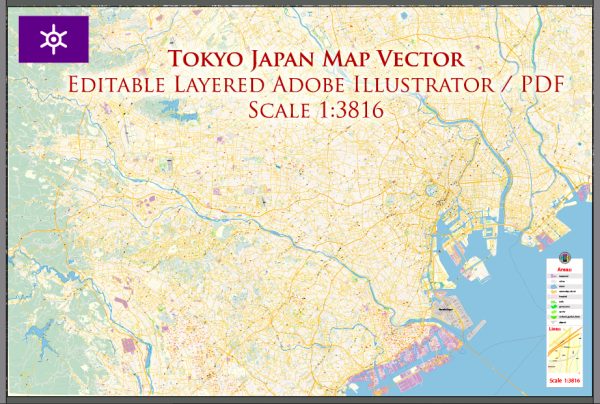
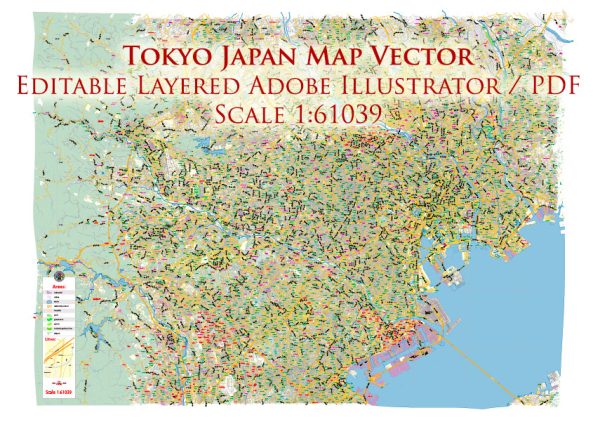
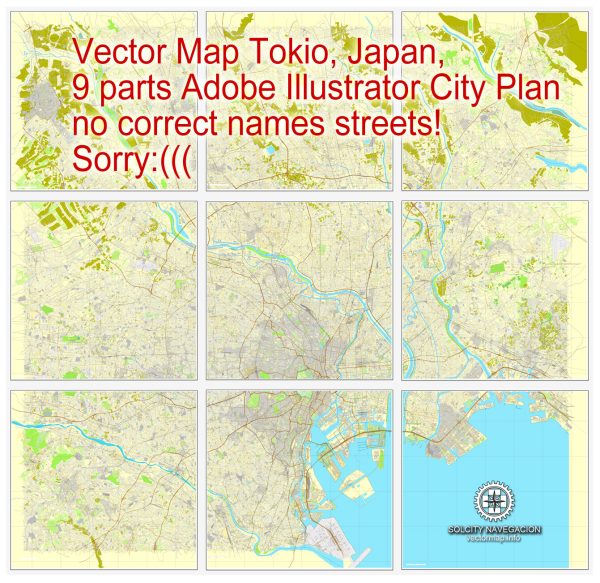
Extended Description of the Vector Map
Printable Vector Map of Koto City Tokyo Japan detailed street map scale 1:3816 full editable Adobe Illustrator scalable, text all names, 28 MB ZIP
All street names, Main Objects, Buildings. Map for design, printing, arts, projects, presentations, for architects, designers, and builders, business, logistics.
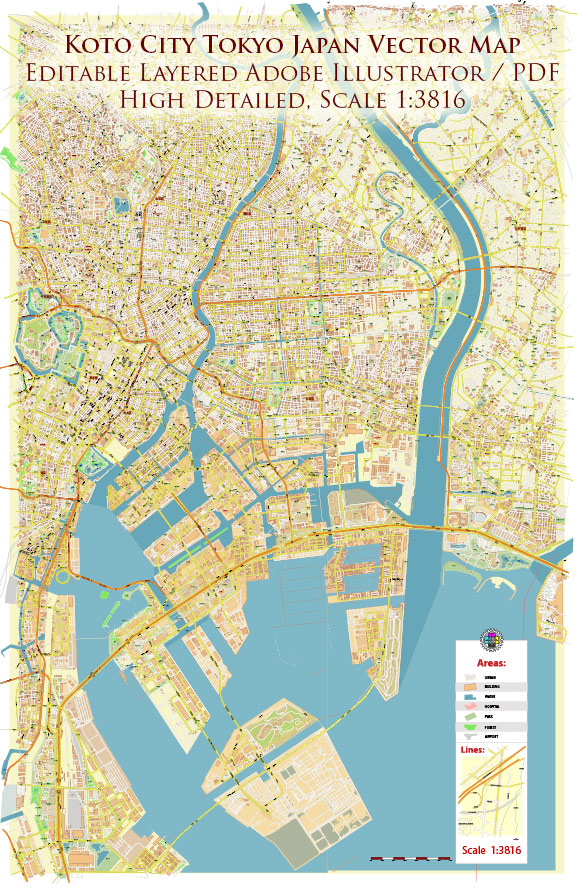
Koto City Tokyo Japan Map Vector Exact City Plan High Detailed Street Map editable Adobe Illustrator in layers
Layers list:
- Legend and scale
- Grids
- Labels of roads
- Names of places (city, hamlet, etc.)
- Names of objects (parks, water, Hospitals)
- Names of main streets
- Names of residential streets
- Arrows of streets
- Main Streets, roads
- Residential streets
- Buildings
- Buildings 2 transparent 50%
- Airports and Heliports
- Water objects (rivers, lakes, ponds)
- Waterways
- Color fills (parks, hospital areas, land use, etc.)
- Islands
- Background and sea
The most exact and detailed map of the city in scale.
For Editing and High-Quality Printing
AO BRIEF — KOTO CITY (KŌTŌ), TOKYO, JAPAN
OVERVIEW
- Eastern Tokyo special ward (“east of the river”)
- Area: ~43 km²
- Population: ~540,000+ (high-density urban)
- AO type: Low-lying coastal urban / reclaimed delta terrain
- Strategic position: between central Tokyo core and Tokyo Bay waterfront
GEOGRAPHY / TERRAIN
- Boundaries:
- West — Sumida River
- East — Arakawa River
- AO sits on artificial land + historic delta plains
- Elevation:
- Large sectors at or below sea level
- Terrain type:
- Flat, engineered, flood-controlled urban grid
- Hydrography:
- Dense network of canals, drainage channels, tidal waterways
- Coastal zone:
- Tokyo Bay waterfront (Toyosu, Ariake, Odaiba sectors)
Operational implication:
➡️ Terrain is fully urbanized but hydrologically fragile (flood / surge / liquefaction risk)
KEY ROADS / LINES OF COMMUNICATION
Primary orientation:
- Grid distorted by canals + reclaimed land geometry
- Major axes run NE–SW and E–W, linking to central Tokyo
Major arterial corridors (AO-relevant):
- Meiji-dori (Route 306) — major N–S urban artery
- Eitai-dori — key westward connection toward Chūō / central Tokyo
- Kiyosubashi-dori — inland connector
- Shinonome / Bayshore routes — access to port + logistics zones
- Shuto Expressway (elevated network):
- Route 9 (Fukagawa Line)
- Bayshore Route (Wangan Line)
Bridges = critical choke points:
- Crossings over Sumida & Arakawa rivers define mobility corridors
- Limited crossing density → predictable bottlenecks
Rail infrastructure (strategic mobility):
- Dense metro + JR network
- Strong commuter flow westward (toward central Tokyo core)
Operational implication:
➡️ Movement constrained by water barriers + bridge dependency + elevated expressways
URBAN STRUCTURE
- Mixed-use but clearly segmented:
- North (Kameido, Kiba, Monzen-nakacho) — traditional shitamachi grid
- Central — residential + canal network
- South / waterfront (Toyosu, Ariake) — modern high-rise, logistics, expo zones
- High-rise clusters increasing in reclaimed bay zones
- Industrial legacy zones partially converted to residential/commercial
DEMOGRAPHY / HUMAN TERRAIN
- Population: ~540K+, density ~12,000+/km²
- Composition:
- Predominantly Japanese urban middle class
- Growing young professional + family population in waterfront developments
- Trend:
- Strong in-migration due to redevelopment (Toyosu, Ariake)
- Workforce:
- Majority are commuters to central Tokyo (westward flow)
Behavior pattern:
- Daytime outflow → central wards
- Nighttime residential density increases
Operational implication:
➡️ Predictable rush-hour congestion + commuter-driven mobility cycles
CLIMATE / ENVIRONMENT
- Humid subtropical (Tokyo standard)
- Key risks:
- Typhoons (seasonal)
- Heavy rainfall → flooding risk
- Earthquake + liquefaction (critical due to reclaimed land)
HAZARDS / THREATS
- Flooding / storm surge (primary terrain vulnerability)
- Liquefaction in reclaimed zones
- Bridge choke points → mobility disruption
- Dense infrastructure → cascading urban failure risk
LOGISTICS / SUSTAINMENT
- Excellent baseline infrastructure:
- Ports (Tokyo Bay access)
- Expressways + rail
- Constraints:
- Terrain dependence on pumping / drainage systems
- Limited redundancy in cross-river movement
COMMAND TAKEAWAYS
- Urban delta AO — flat, engineered, water-constrained battlespace
- Mobility dictated by bridges and elevated routes
- High population density but predictable movement cycles
- Water + soil instability = primary environmental threat vector
- Modern waterfront = high-value, high-density zone (Toyosu/Ariake)
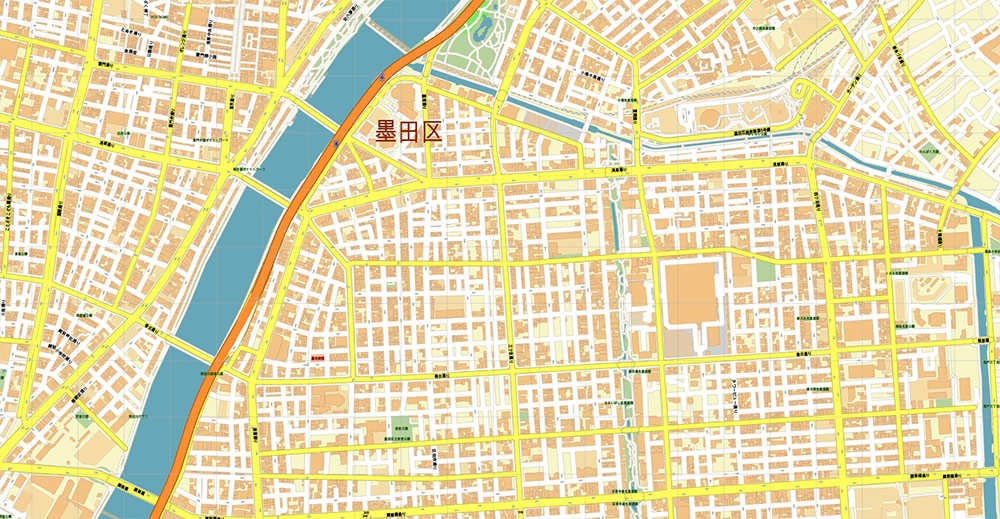
Koto City Tokyo Japan Map Vector Exact City Plan High Detailed Street Map editable Adobe Illustrator in layers
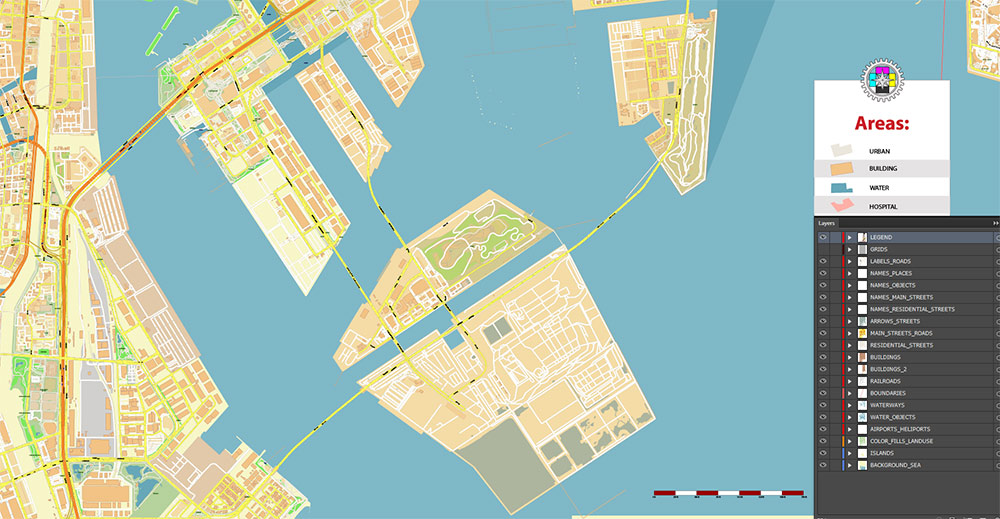
Koto City Tokyo Japan Map Vector Exact City Plan High Detailed Street Map editable Adobe Illustrator in layers
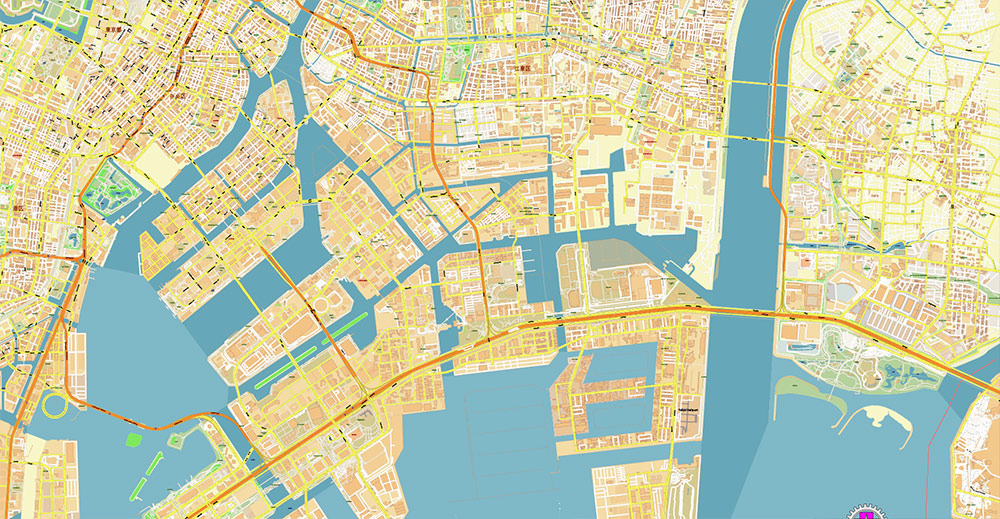
Koto City Tokyo Japan Map Vector Exact City Plan High Detailed Street Map editable Adobe Illustrator in layers
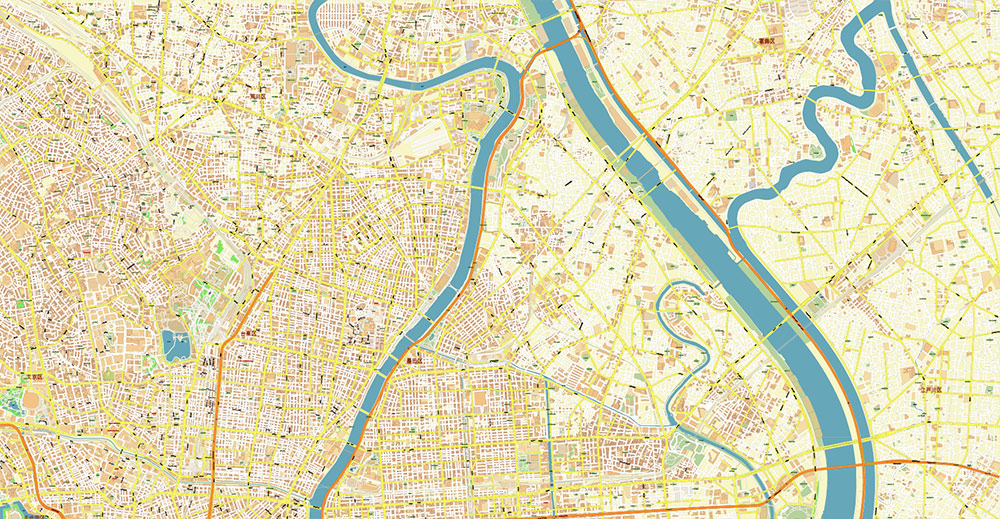
Koto City Tokyo Japan Map Vector Exact City Plan High Detailed Street Map editable Adobe Illustrator in layers
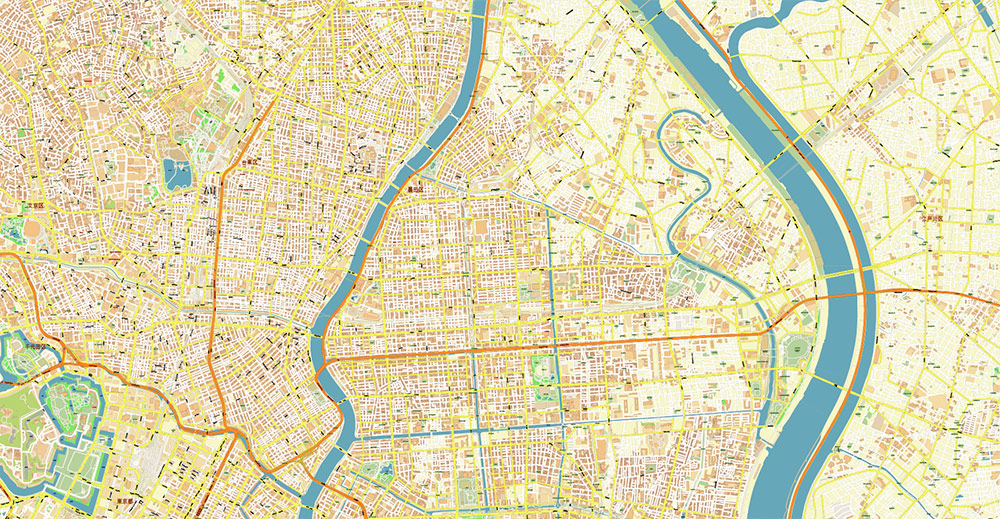
Koto City Tokyo Japan Map Vector Exact City Plan High Detailed Street Map editable Adobe Illustrator in layers
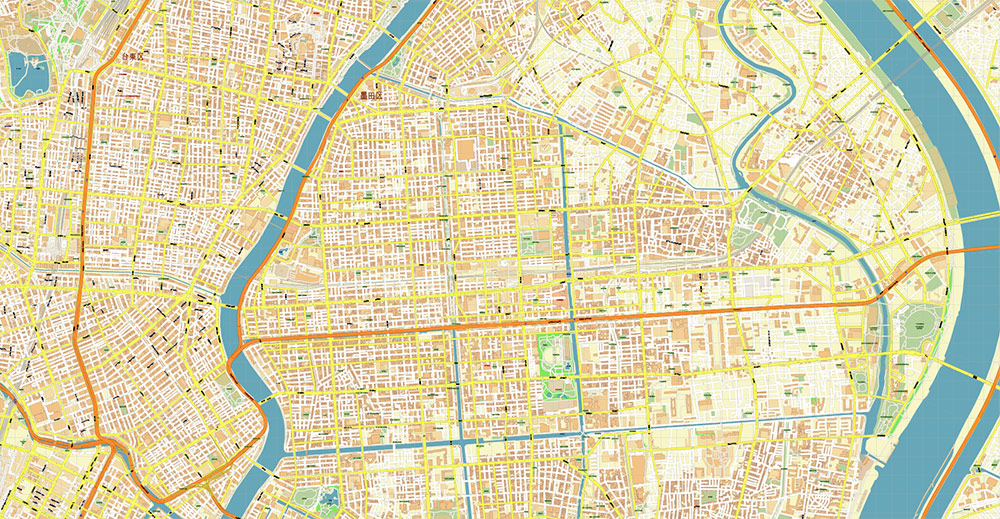
Koto City Tokyo Japan Map Vector Exact City Plan High Detailed Street Map editable Adobe Illustrator in layers
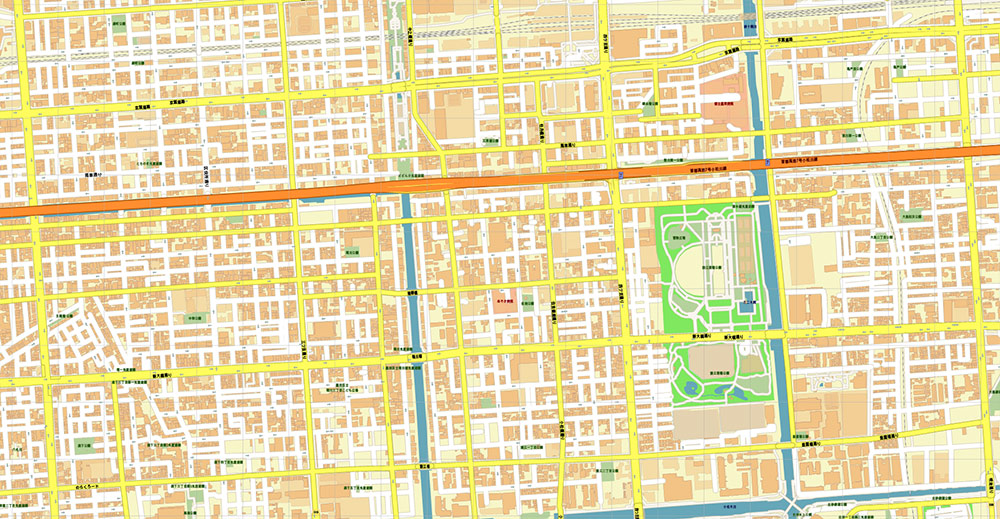
Koto City Tokyo Japan Map Vector Exact City Plan High Detailed Street Map editable Adobe Illustrator in layers
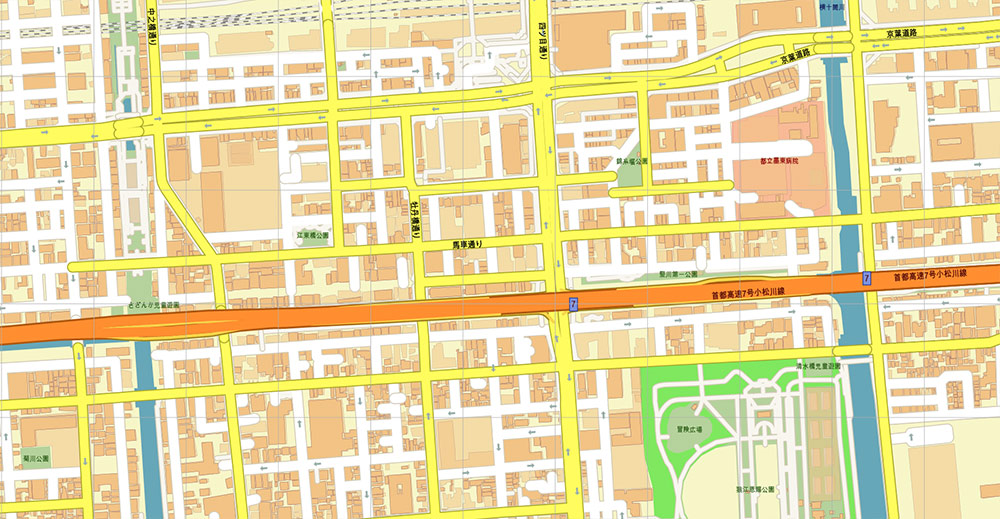
Koto City Tokyo Japan Map Vector Exact City Plan High Detailed Street Map editable Adobe Illustrator in layers



 Author: Kirill Shrayber, Ph.D. FRGS