Urban plan Brasilia City Brazil Vector Map
Brasilia
Brasilia is the capital and the main city of Brazil, located in the central part of the country, in the state of Goias. The Brazilian capital is the only city in the world built "from scratch" - out of the blue, in the 20th century. Fifty years ago, on the site where Brasilia now stands, there was nothing but the Brazilian Cerrado savanna. For its extravagance and originality, Brasilia was declared by UNESCO in 1987, a city of historical and cultural heritage of mankind.
One of the newest cities in the world, Brasilia, was built in 41 months to replace Rio de Janeiro as the capital of Brazil. The Brazilian government moved the capital from the coast in order to promote the development of the Central regions of Brazil. Due to its central location, Brasilia has an extensive transport network connecting it with the rest of Brazil. Recently, a metro was built in the capital to facilitate overcoming huge urban distances.
Brasilia is a cosmopolitan city with a population of more than 1,750,000 people; there are about 90 embassies in the capital; a huge selection of conference halls, restaurants and a well-developed infrastructure ready to host any events. It is not surprising that the city acts as one of the most significant tourist destinations, occupying a growing segment in the Brazilian economy. Political events, musical performances and film festivals are held here. The city lives by public service; small industry; a developed network of food production and construction - all this is of great economic importance. Almost all residents in Brasilia live in the surrounding satellite cities. The number of satellite cities of Brasilia has now grown to 18, and the population in the 1950s was 3,600 people, today it is 70 times more.
The first two capitals of Brazil, Salvador and Rio de Janeiro, were built on the coast. Since the second half of the 18th century, the authorities have had an interest in promoting capital in the interior of the country, and for the first time moving the capital inland was proposed back in 1823.
In 1956, Juscelino Kubicek de Oliveira, elected president, actively begins work on the transfer of the capital. The competition for the city's master plan was won by Brazilian architect Lucio Costa. The main government buildings were designed by Brazilian architect Oscar Niemeyer. Landscape designer Roberto Burle Marx planned the layout of the city, landscape design and selection of plant varieties; added a bright green background to the yellow vegetation of the savannah.
The original plan of the city resembles the shape of an airplane, many refer to it as a bird with outstretched wings, or an arrow launched into the future - although the original concept of the city architect states that this is the shape of a cross symbolizing ownership.
The city plan is the idea of spreading residential buildings around urban areas, and centralizing them around major avenues dividing it into sectors. The style of architectural construction is defined as modernism: the designers chose clean lines and structural technologies and capabilities inherent in new materials at that time - glass, steel and concrete. Initially, the city was conceived as an administrative unit, with a small number of serving population. Microdistricts containing administrative buildings are located along the centerline, residential - to the left and right of it.
A relatively young city, Brasilia, which solemnly received its status in 1960, surprises even the most experienced travelers with its architecture. For visitors, there are a lot of purely architectural attractions in this city. The best designers, architects, sculptors and artists have created the most beautiful monuments and buildings in Brasilia. Here you can see the works of art by such sculptors and artists as Bruno George, Alfredo Cesciatti, Athos Bulcao, Peretti, Volpi, Di Cavalcanti, Victor Brechert and Burle Marx, whose works have been integrated into the architecture of the city, making it a unique landscape.
Some of the most interesting architectural projects and attractions of the city: Brasilia University, Cathedral, TV Tower, Three Powers Square, National Theater, Palace of Dawn, etc. The Cathedral Ball is completed after 12 years of construction, and opened in 1967. It is dedicated to the patroness of Brasilia - the Virgin. The round shape of the cathedral symbolizes two hands united in prayer. The cultural complex of the Republic consists of the National Library, which occupies an area of more than 14,000 square meters, and the National Museum of the Republic, consisting of 14,500 square meters of exhibition space. The space is mainly used to display temporary art exhibitions.
Brasilia is not only architectural compositions - the buildings are framed by huge parks and beautiful gardens. For example, a City park or Brasilia National Park. There are many museums and theaters in the city. For example, you can visit the Brazilian Museum de Valores, located in the Central Bank of Brazil. Coins and banknotes from all over the world, used throughout the history of mankind, are exhibited here. In the National Museum of Precious Stones, located not so far from the TV tower - an excellent viewing platform, you can see the best and biggest pearls of the world. The Museum of Art presents exhibitions of contemporary Brazilian artists.
The National Park is located about 250 km from the city limits and has the status of an ecological reserve. The territory of the park, which is 66,000 hectares, has attractions such as waterfalls, such as Rio Preto Falls (120 meters), and canyons. The park is recognized as a UNESCO World Natural Heritage Site due to the conditions of high humidity at high altitude above sea level, as a unique area of biodiversity. Here you can find more than 25 species of rare orchids. The rich fauna of the region is represented by many species of birds, reptiles and mammals. The city park is equipped with running and cycling paths, lakes with places for fishing, and boats for skiing.
The city has more than 40 mystical, philosophical and religious groups, turning the city into what residents call the capital - the capital of the third millennium. Alto Paraso attracts many followers of mysticism, natural therapy, and spiritualism. In addition to mysticism, the surroundings of Alto Paraso are ideal for eco-tourism.
The weather in Brasilia, located in the tropical zone of the central plateau at an altitude of 1158 meters above sea level, depends on the degree of humidity and is divided into seasons: dry and cold, humid and hot. The average temperature is from 20.7 C. October is considered the hottest, with a maximum temperature of 29C, and July is cold - with a maximum temperature of 13C. The best time to visit Brasilia is from April to June, when the dry season has not yet begun, and the sky on the city is piercingly blue. From August to September, Brasilia will welcome travelers with magnificent purple and yellow flowers of local trees located along the grayish vegetation of the city at this time of year. Rains usually begin in October.
As for gastronomy, Brasilia is truly the world capital. Being a city that welcomes guests from all over Brazil and the world, it offers a good chain of restaurants with a wide variety of food. From simple and relaxing small restaurants and cafes offering traditional food in the Central-Western regions of Brazil, to charming and individual bistros and restaurants, with a complex menu prepared by famous chefs.
In less than 50 years since its inception, Brasilia continues to develop its own culture. The city is often criticized because the rationalization of modernist planning has "buried" the human factor. However, Brazilians are very proud of their modern capital, reflecting the vision of the future, when Brazil is no longer seen only as a "developing" country.
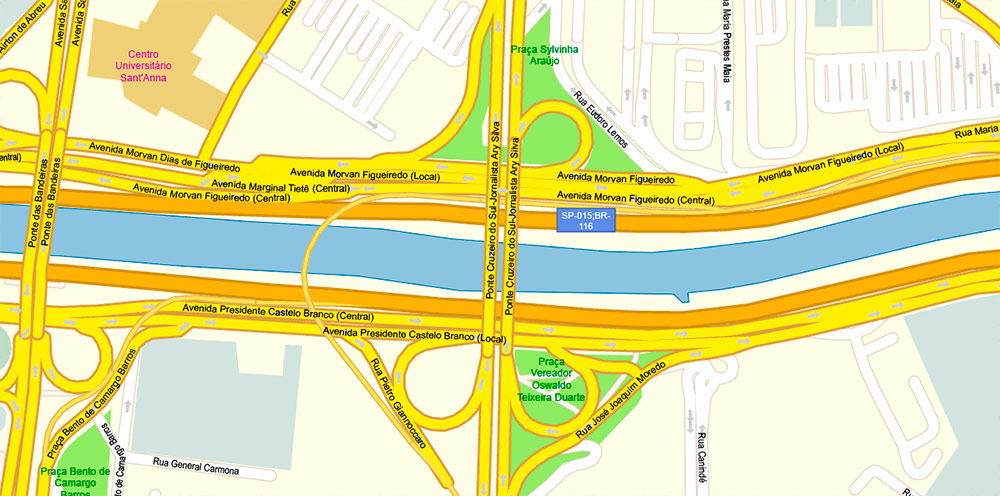
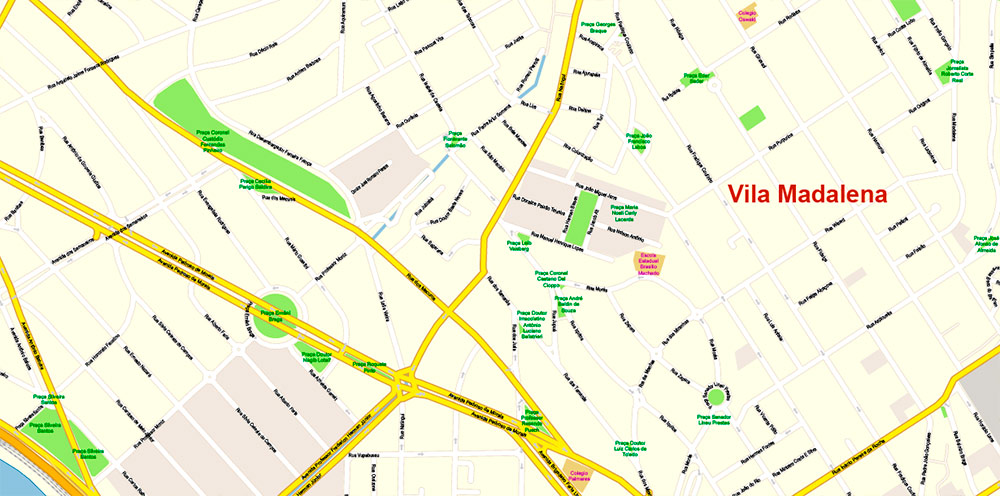
Brasilia - Editable Printable Map
Brasilia town planning - Vector Maps

Urban plan Brasilia City Brazil
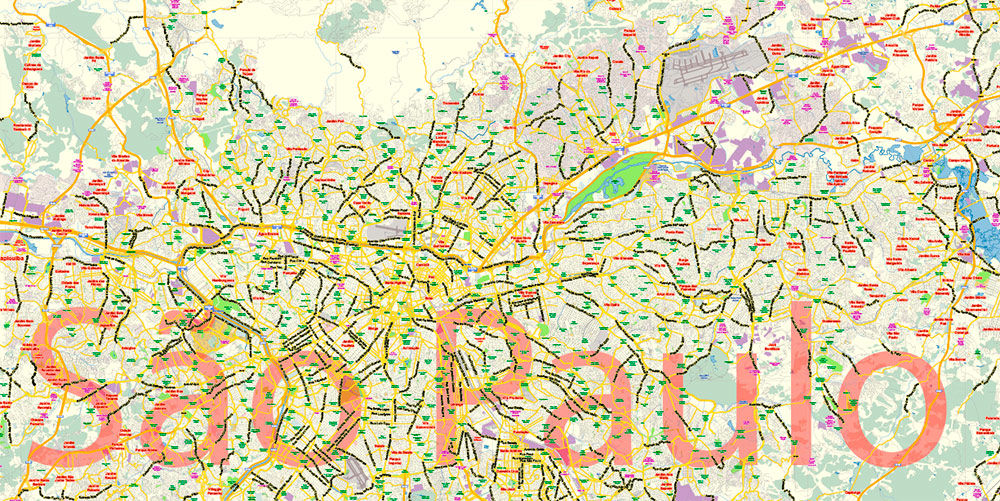
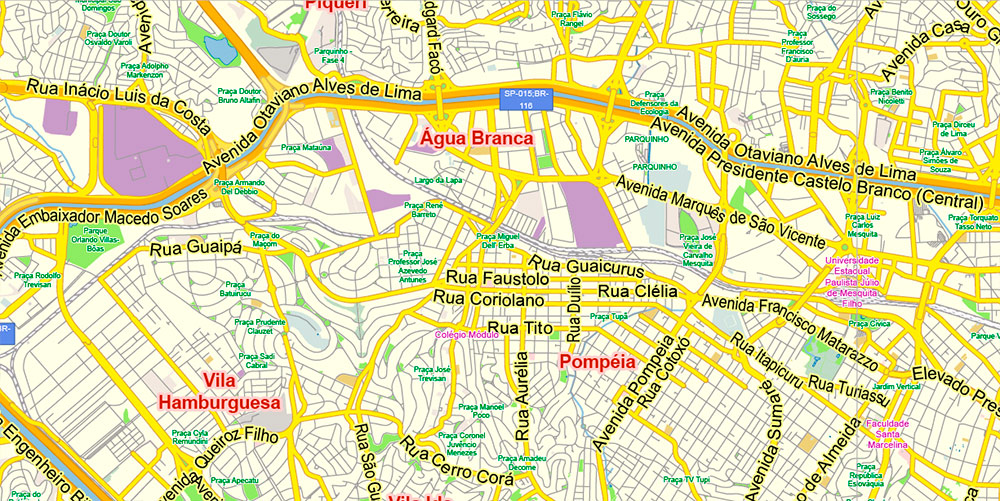
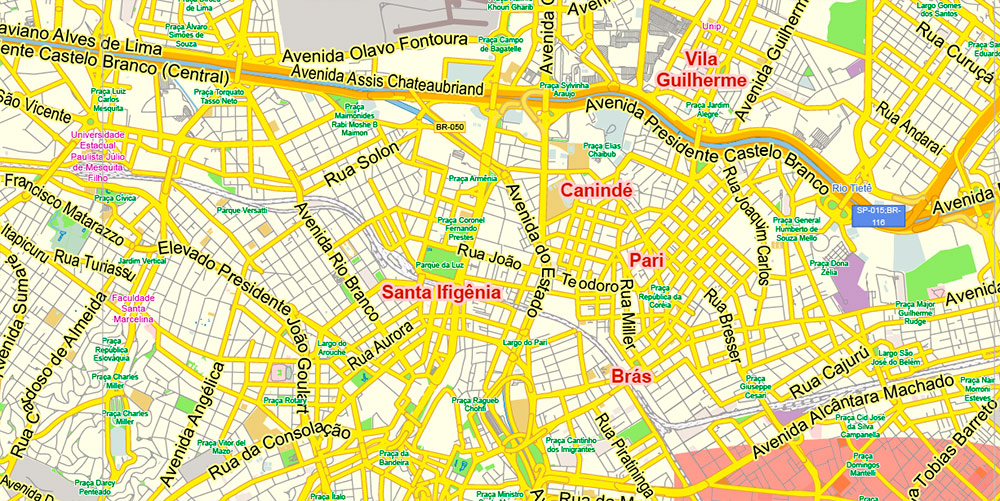
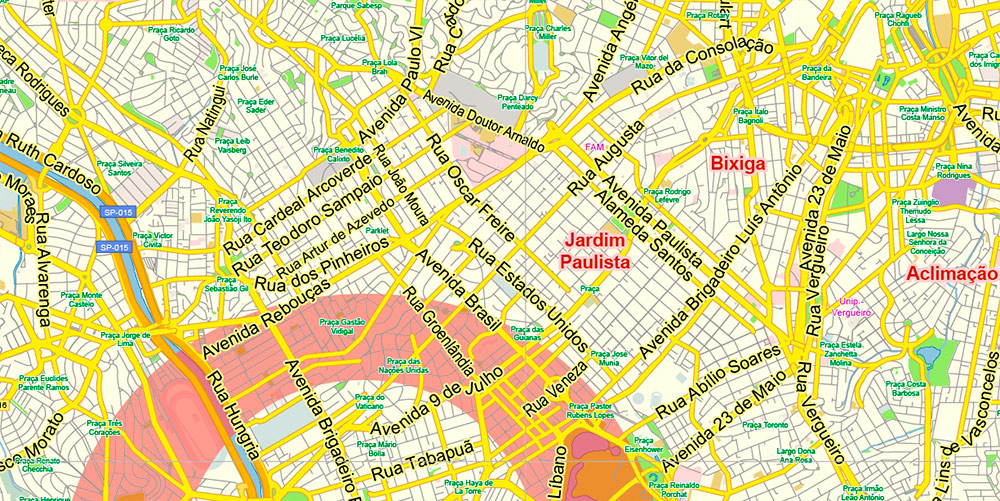
Brasilia was founded in 1960 to be the new Capital city of Brazil, based upon modernist planning for the ideal city. Lanegran (1996) believes it to be a planning failure for many reasons including; the city design and scale was built around the use of. By many measures, Brasilia, the capital city of Brazil, is a miracle. Built from the ground up at breakneck speed between 1956 and 1961, the year it was inaugurated, its filled with beautiful. Brasilia Airplane city planning. Brasilia Airplane city planning. Discover ideas about Master Plan. Braslia: dare to speculate, dare to implement. Master Plan Urban Planning Costa Master Plan Urban Planning Costa Land Use Oscar Niemeyer How To Plan Architecture Sketches Drawings. Brazil military headquarters in Brasilia, Brazil. The city is known for its modern urbanisation Photograph: Alamy Few cities show bombast and brashness like Braslia. Brazil's capital city Brasilia is a World Heritage site but is it a good place to live and work? Niemeyer was the architect and Lucio Costa the urban planner. Implementing the Master Plan: 1970s: After his plan for Curitiba was adopted in 1968, leading architect Jamie Lerner created the city's first urban planning department to help organize and direct. Brasilia Design and innovation are part of Braslia's DNA. Founded as the capital of Brazil, the city was transformed through a national project of economic and urban development. These changes reflected the city's desire to equip the country with a significant economic centre, now spanning on an. 4k Likes, 226 Comments Daily Overview (@dailyoverview) on Instagram: This Overview captures the urban plan of Brasilia. The city was founded on April 21, 1960, in order Oscar Niemeyer, who died last week, was a controversial giant. Best known for designing a new capital city for his native Brazil and the UN headquarters in. Brasilia was built to be Brazil's new capital city. The idea was to transfer the federal capital of Brazil from the coast to midwestern interior of the country. Brazil had had two capital cities. After Master Plan for Curitiba was adopted in 1968, Brazilian Curitiba city has implemented several innovative systems to create jobs, improve public transportation accessibility, promote housing development, and improve waste management. Brasilia: How Brazil's capital became an architectural masterpiece Traveller Newsletter. Wide streets laid out on a grid system helped to ensure the. Two brasilia toucan Brazilian National Congress in Brasilia. Passengers at Brasilia Airport in Brasilia, Brazil Cathedral of Brasilia, Brazil, South America Aerial view of Pilot Plan of Brasilia City Aerial view of Pilot Plan of Brasilia City Aerial view of Pilot Plan of Brasilia City Brasilia City, the Capital of Brazil Itamaraty Palace in Brasilia Brasilia town planning 1. INTRODUCTION Braslia is the federal capital of Brazil. Brasilia, the planned city of Brazil. It has a population of 2, 562, 963), making it the fourth largest city in Brazil. He presented a plan to the General Assembly of Brazil for a new city called Braslia with the idea of moving the capital westward from. Discover ideas about Oscar Niemeyer. Oscar Niemeyer Master Plan Urban Planning Salvador City Photo Wwi Master Plan Urban Planning Salvador City Photo Wwi The urban framework of Brasilia includes all of the elements required to demonstrate outstanding universal value. A city that is at once urbs and civitas, Brasilia has preserved its original guiding principles intact, as reflected in the protection of its urban scales, legally protected by local and federal organisms of government of the country. Top 10 of Brazil The 10 Biggest cities in Brazil: Rio de Janeiro, Sao Paulo, Salvador, Brasilia, Recife and more the Venice of Brasil is probably the most complete destination of all the large cities in Brazil. The city of Recife has an interesting history, which can be. Brasilia is the most complete example of the form of urban planning prevalent until the 1970s. Construction took just three years, from 1957 to 1960, following a government initiative to create Brazils capital, at a time when cities played a prime role in the construction of national territories, especially in the countries of the South. He says there that these notes represent a first attempt to look at the intersections of constituted power, architecture, and urban planning. Plano piloto Perhaps the most iconographic new capital, that is, a city that is specifically built to be a seat of power, is Brazils federal capital Braslia. This article will show the means by which all these people move through the city. Braslia was planned and built to be the capital of Brazil. Rio de Janeiro had been the capital since 1763, when Brazil was a Portuguese colony, but the governors' interest was to transfer the center of political decisions to a more distant place from popular. Discover ideas about Oscar Niemeyer. Plano Piloto BrasliaLcio Costa. Oscar Niemeyer Costa Master Plan Architecture Plan Urban Planning Travel Guide Brazil Croquis How To Plan Alex Shoumatoff? s The Capital of Hope: Braslia and its People tells the story of the creation of the city and profiles the lives of its inhabitants. Brasilia, Plan and Reality: A Study of Planned and Spontaneous Urban Development. Brasilia was specifically built to be the Capital of Brazil. There was a contest held to determine what the city would look like. A total of 26 competitors entered the contest and 41 projects were presented. Lucio Costa, an urban planner from Brazil, was chosen as the winner of the 1957 contest for the design of Brasilias Pilot Plan. The city is commonly referred to as Capital Federal, or simply BSB. As the national capital, Braslia is the seat of all three branches of the Brazilian government. The city also hosts the headquarters of many Brazilian companies. Planning policies place residential buildings around expansive urban areas. The plan includes large avenues. The city is the seat of all three branches of the Brazilian government. Braslia was planned and designed in 1956 by Lcio Costa as the principal urban planner and Oscar Niemeyer as the principal architect. The city was built in the center of the country with the intention of. This paper focuses on participatory urban planning as a model of urban reform and democratic invention in Brazil. Its case material regards the formulation and implementation of two sets of urban laws of very broad consequence. First, we discuss briefly the chapter on urban policy in the 1988 Citizen Constitution and the federal law that it mandates. Print Description This Overview captures the urban plan of Brasilia. The city was founded on April 21, 1960 in order to move the capital from Rio de Janeiro to a more central location within Brazil. The design resembling an airplane from above was developed by Lcio Costa and prominen Braslia: Brasilia, city, capital of Brazil. Located in the Federal District within Goias state on the central plateau of Brazil, it lies between the headwaters of the Tocantins, Parana, and Sao Francisco rivers. Because of its unique city plan and architecture, it was designated a UNESCO World Heritage site. Through a national competition held the following year, an international jury selected the entry by Lucio Costa ( ) for the urban design of the new citythe socalled Pilot Plan (Plano Piloto) of. A documentary film on the building of Brasilia, the new capitol of Brazil, which was planned in advance as a unit and built in three years. Records the steps in the city's development from Lucio. Brasilia a city designed entirely for the automobile around 2 highways crossing major negative consequences if right after the implementation of the plan piloto operational world of architects and urban planners at the time of Brasilias creation. Sitting between an artificial lake and a national park, Brasilia, Brazil, is recognized as a pioneer in the use of rigorous urban planning to create livable cities. The capital city of Brazil is a planned city that was built in an area that previously had very little population or industry before the 1950s, and was chosen in a central location that the planners hoped would create a more unified country. Situation Brasilia is the political capital of Brazil, it is in Southcentral Brazil Urban Morphology The central city of Brasilia is based on a grid system, as you move away from the central city, you find unorganized shanty towns. Print Description This Overview captures the urban plan of Brasilia. The city was founded on April 21, 1960 in order to move the capital from Rio de Janeiro to a more central location within Brazil. The design resembling an airplane from above was developed by Lcio Costa and prominen book Brasilia, plan and reality: a study of planned and spontaneous urban development David G Epstein Published in 1973 in Berkeley (Calif. ) by University of California press Brazil City Maps Vector Urban Plans in the Adobe Illustrator, PDF and other vector formats Street Maps for publishing, design, printing, media, publications, arts, projects, presentations, for architects, designers and builders, business, logistics. Building Brasilia by Marcel Gautherot is beautiful book filled with contemporary photography about the building of Brazil's capital city. A Naturalist Tour of Rio de Janeiro A History Tour of Manaus, the Amazon's Biggest City Nature Is. An Essay by: Esker GaffneyKnox Date: Introduction In the 1960s the Brazilian government decided to build a whole new city just to be the capital. This new city is called Brasilia. This essay tells the story of how the city came to be. A Short History The Portuguese discovered Brazil in 1500. This is one of the most unique cities in Brazil as it is actually not really a city at all! Brasilia is an administrative district of the Federal District of Brazil. Brasilia is one of the few planned communities that exist in the world. It was built in just four years and appears from the sky in the shape of an airplane. This Overview captures the urban plan of Brasilia. The city was founded on April 21, 1960, in order to move the capital from Rio de Janeiro to a more central location within Brazil. The design resembling an airplane from above was developed by Lcio Costa and prominently features the modernist buildings of the celebrated architect. Brasilia: Building a city from scratch. in a traditional city these satellite settlements would form a part of an urban whole the east ends of a city here they are cut off from. Located 2 000 kilometres from the Amazon and 18 hours from Rio, the city of Braslia the capital of Brazil is a mythical place: a concrete utopia born out of the desert. In 1956 at the rebirth of Brazilian democracy, visionary architect Oscar Niemeyer and urbanist Lcio Costa invented an urban plan and structures that would attempt to. The iconic origins of Brazil's capital city city. Brasilia is the urban equivalent of the building conceived on a paper napkin. satellite cities just outside the plan, but essential to. Largest city: So Paulo The largest urban agglomerations in Brazil are So Paulo, Rio de Janeiro, and Belo Horizonte all in the Southeastern Region In the 1950s the modernist architecture was introduced when Brasilia was built as new federal capital in the interior of Brazil to help develop the interior. See also: Braslia Braslia Maps Braslia Facts. The map above shows the satellite cites (in Portuguese, cidades satlites) of Brasilia. During the construction of Brasilia, many migrants came from all over Brazil (particularly the poorer, populated States in Brazilian northeast). Brasilia is the federal capital of Brazil and seat of government of the Federal District. The city is located atop the Brazilian highlands in the country's center western region. It was founded on April 21, 1960, to serve as the new national capital. BRASILIA CITY (Brazil) City Planning Concepts ENTERTAINMENT COMMERCIAL ADMINISTRATIVE Layout Plan The basis of the plan of the city was a simple cross; The cross had to be adapted to the local topography due to prior plans of an artificial lake and the city gained the shape of an aero plane; The aero plane symbolizing the
Related Images "Urban plan Brasilia City Brazil":
Brasilia: Preservation of a Modernist City article
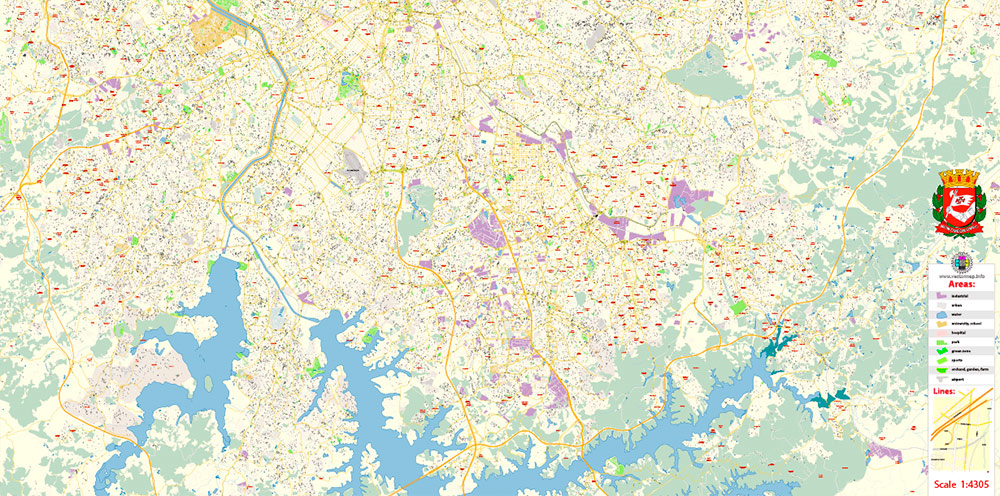
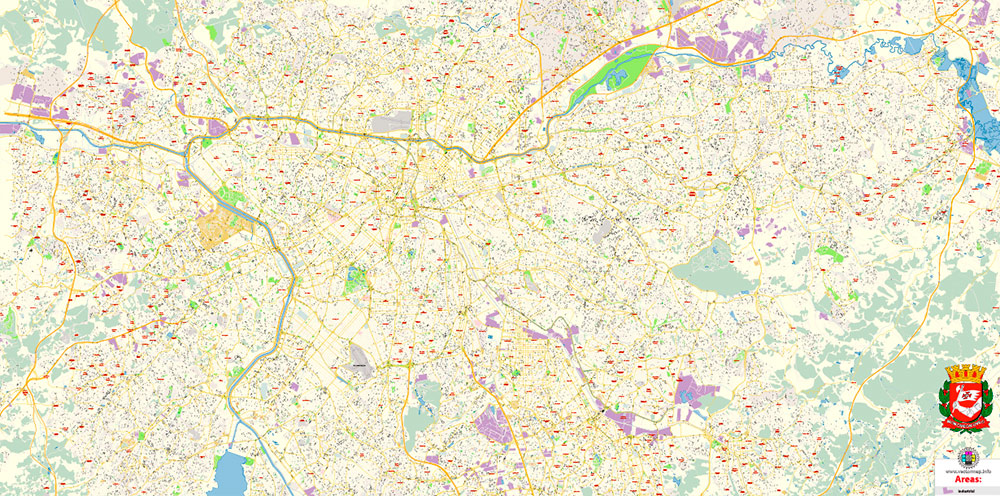
Brasilia: Brazils cautionary tale for utopian urbanists
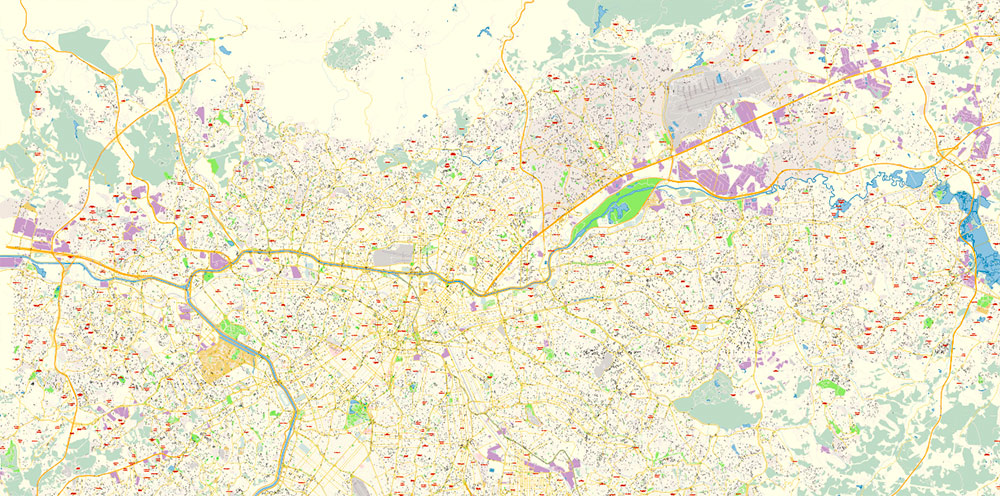
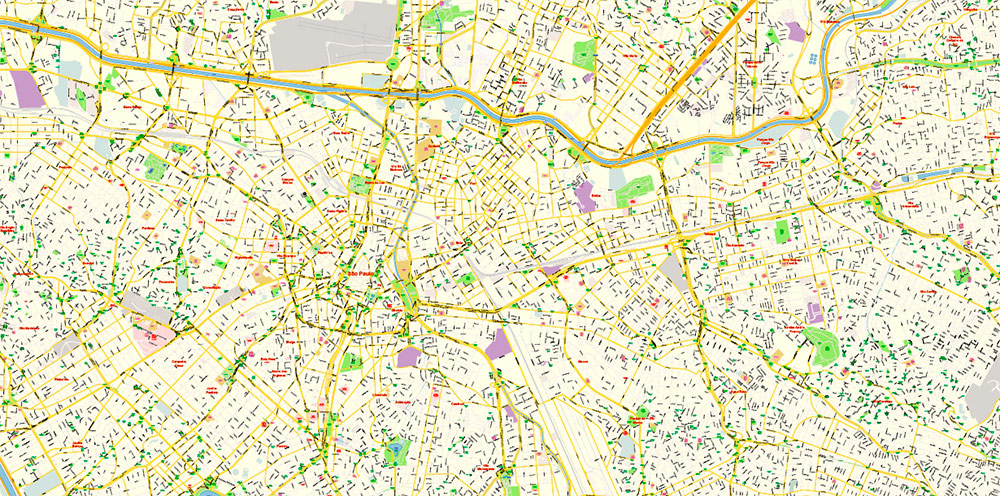
Sustainable Urban Planning Curitiba City : Sustainable
- Urban plan Vladivostok PDF
- Urban plan Cartagena Colombia PDF
- Urban plan Canada Admin Road
- Urban plan Victoria Canada pdf
- Urban plan Hartford Connecticut PDF
- Urban plan Leipzig Germany AI
- Urban plan Bergen Norway pdf
- Urban plan Linz Austria
- Urban plan Miami Florida 4
- Urban plan Shreveport Bossier PDF
- Urban plan Newcastle UK
- Urban plan Jakarta Indonesia 16 ai
- Urban plan Charleston South Carolina 3 10 PDF Center
- Urban plan Irkutsk PDF Russia
- Urban plan Ireland Admin
- Urban plan Texas Louisiana Counties PDF
- Urban plan Allentown Easton Pennsylvania
- Urban plan Edmonton PDF
- Urban plan Zacatecas Mexico
- Urban plan Spain Admin
- Urban plan Krasnoyarsk Russia
- Urban plan Denver Colorado PDF
- Urban plan Tucson Arizona ai
- Urban plan Namur Belgium ai
- Urban plan Hamburg CDR
- Urban plan Austria Vector Roads CDR
- Urban plan Edinburgh Metro Scotland PDF
- Urban plan Lipetsk Russia
- Urban plan Cartagena Colombia
- Urban plan Baltimore Maryland PDF
- Urban plan US Canada all roads pdf
- Urban plan Prague Praha metro Czech Republic
- Urban plan Denver Colorado 3 10 PDF
- Urban plan Lexington Kentucky 3 10
- Urban plan Ghent Belgium pdf
- Urban plan ai Finland
- Urban plan Christchurch New Zealand 17
- Urban plan World Gall Peters PDF
- Urban plan Nizhny Novgorod pdf
- Urban plan Istanbul Turkey CDR
- Urban plan Bend Oregon
- Urban plan Alameda Oakland California
- Urban plan Financial District New York City PDF
- Urban plan Bend Oregon CDR
- Urban plan Fargo North Dakota
- Urban plan San Paulo Brazil
- Urban plan Mexico topo roads admin
- Urban plan Albuquerque Rio Rancho New Mexico
- Urban plan Cardiff Newport UK
- Urban plan Derby UK
- Urban plan Durban South Africa PDF
- Urban plan Sevilla Spain
- Urban plan Lille France pdf
- Urban plan San Juan metro area puerto rico
- Urban plan Birmingham UK
- Urban plan Yokohama Japan 13 pdf
- Urban plan Bremerhaven Germany ai
- Urban plan Launceston Tasmania
- Urban plan Beijing China AI 17 eng
- Urban plan Gothenburg Sweden Goteborg Sverige PDF
- Urban plan Kalamazoo County Michigan
- Urban plan Gothenburg Sweden PDF
- Urban plan full Italy adm phys
- Urban plan UK Ireland PDF
- Urban plan Germany Full Admin
- Urban plan Tel Aviv Israel ai
- Urban plan Duesseldorf Germany ai
- Urban plan Sacramento California PDF
- Urban plan Chicago Illinois PDF
- Urban plan Kansas City
- Urban plan Luxembourg
- Urban plan Pskov Russia PDF
- Urban plan Wisconsin State
- Urban plan Kansas City Missouri PDF
- Urban plan Austria Vector Roads CDR
- Urban plan Cleveland Ohio
- Urban plan Topeka Lawrence Kansas
- Urban plan Volgograd
- Urban plan Jerusalem Israel Hebrew 12 PDF
- Urban plan Odessa Ukraine
- Urban plan full state Colorado
- Urban plan Tbilisi Georgia
- Urban plan San Diego Tijuana