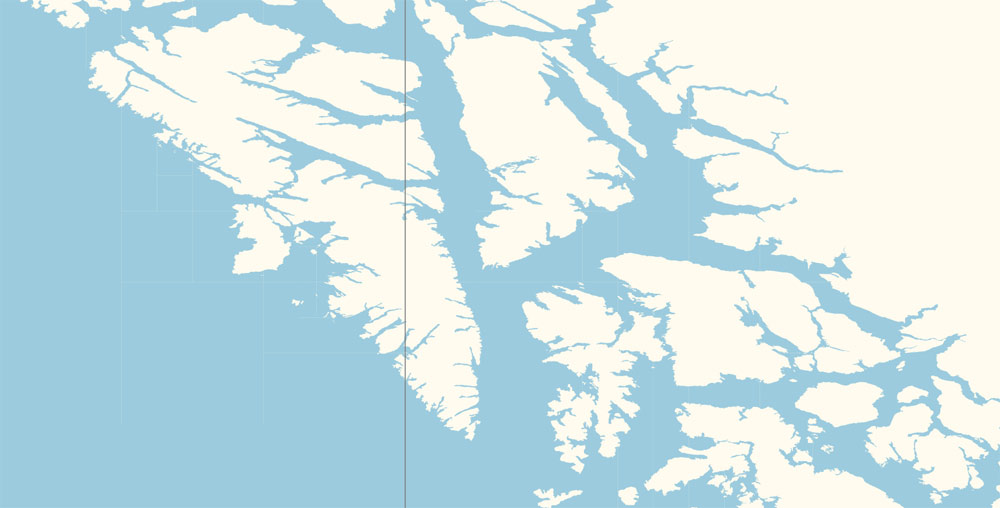
Urban plan Pacific Coast US Canada: Fully Editable Layered Vector Map
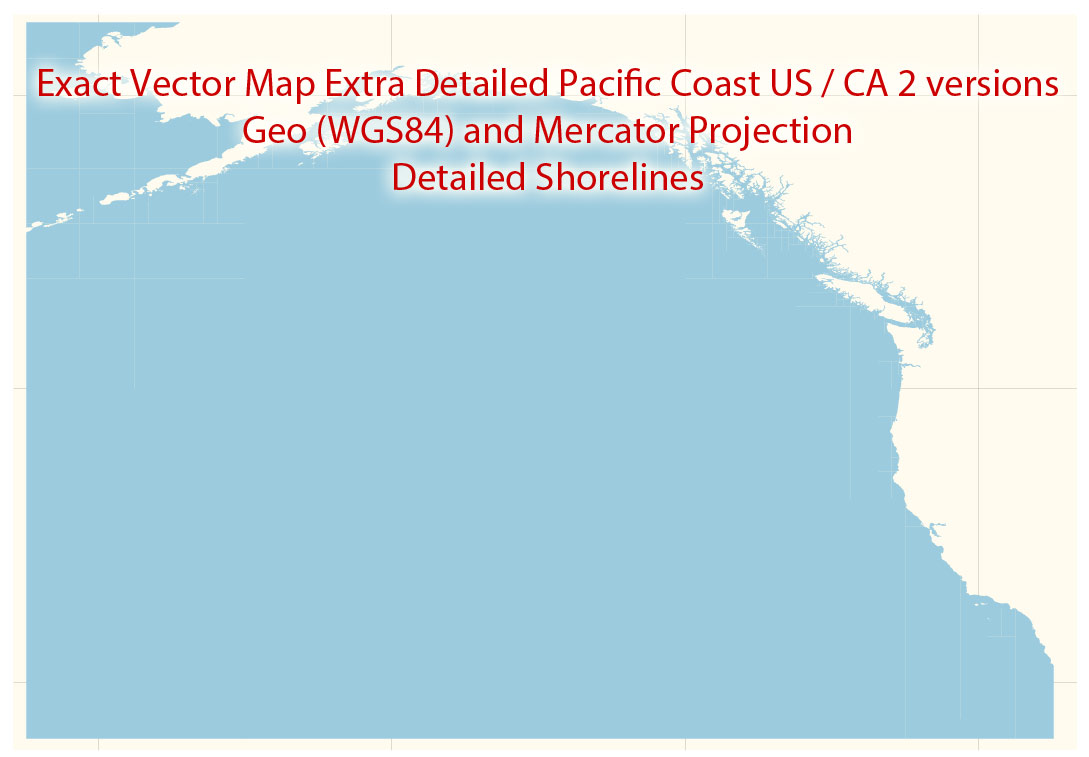
Related Images "Urban plan Pacific Coast US Canada" (999 pics):
Canada - US Pacific Coast: Exact Vector Map in Digital Format
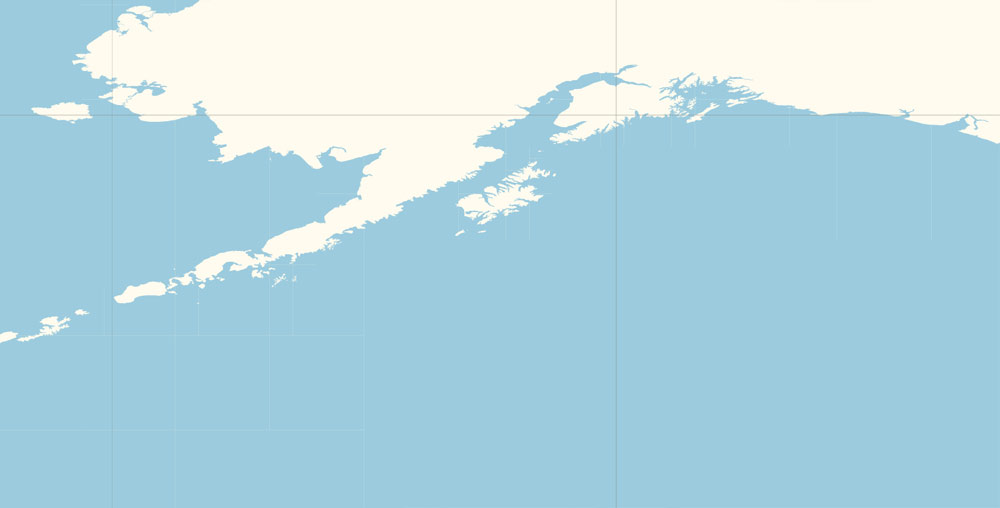
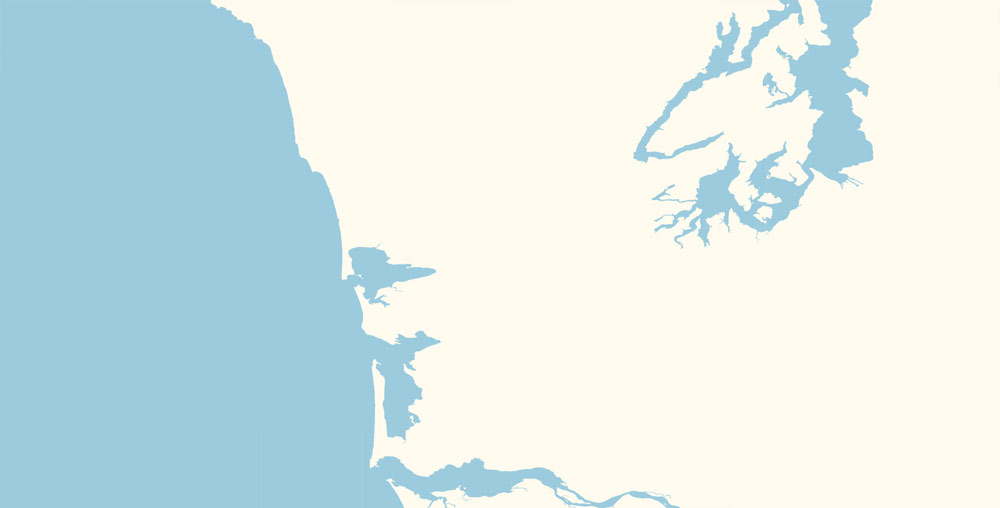
Pacific Coast of the United States: Digital Cartography for Marine Research

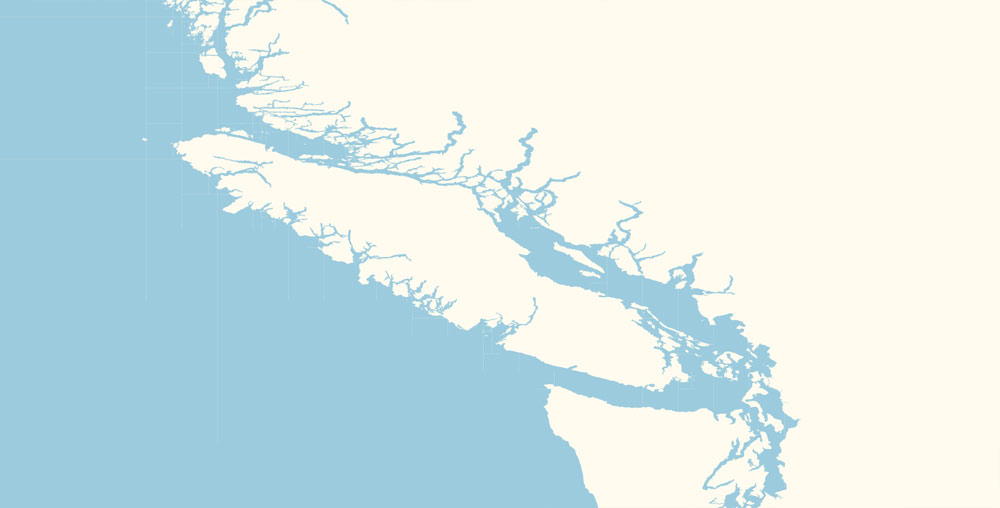
Urban plans Pacific Coast US Canada
Pacific Coast of the USA
The Pacific coast of US and Canada is a unique land with breathtaking landscapes, an extraordinary variety of landscapes, a scattering of colorful villages, cities, and sparkling lights of megacities.
Cruises across the Pacific Ocean of the USA starting from Los Angeles, San Diego, San Francisco, Seattle, Vancouver and last from 5 days. You will see majestic mountains and frightening depths of canyons, age-old snow caps, and powerful waves of the Pacific Ocean rolling on the coast, taste the joys of nightlife, and get acquainted with the wine-making traditions of the USA.
Picturesque Vancouver will fascinate with natural beauties – snow-white peaks of mountain peaks, dense forests, and a deep canyon with a wooden Kapilono bridge thrown over it. The ancient buildings of the city center and a beautiful Aquarium, one of the best in the world, deserve attention. San Francisco is famous for the dizzying cable car, the spectacular Golden Gate Suspension Bridge, and the hospitable wineries of the suburb.
Seattle will amaze with a combination of ultra-modern high-rises, parks, and museums dedicated to music, science fiction, classical, modern and Asian art. Los Angeles will beckon with the promise of a "beautiful" life, and it will certainly fulfill it. The City of Angels is the famous Hollywood hills and waves of Malibu, elite nightclubs and bars, Disneyland, and the equally fascinating Universal Film Company Park.
California Coast Ranges - symbols of America
The coastal ridges of California stretch for more than 800 km and consist of four chains of parallel short ridges separated by valleys and transverse mountains. Parallel ridges are characterized by low-smoothed relief forms: their peaks usually do not exceed 1500 m. Transverse mountains rise above 3000 m.
On the southern edge of the Coastal Ridges, in the Los Angeles and San Diego area, there are Transverse Ridges, so named because of their east-west orientation, while most coastal mountains are oriented in a north-south direction. In addition, they differ from the rest of the ridges of the Pacific Coast geologically - in the composition of rocks and age. Part of the Transverse Ridges is the Santa Monica Mountains, which include the Hollywood Hills. The Griffith Observatory is located on the southern slope of Mount Hollywood, with viewing platforms overlooking Los Angeles and the famous inscription. The huge urban agglomeration of Los Angeles occupies a hollow at the foot of the Transverse Ridges - the only section of the coastal plain.
Along the west coast of the United States - from southern California, through Oregon, to the Olympic Peninsula in Washington State - runs the Pacific Coast Highway, which includes the US-101 highway and the California SR-1 road. For 2500 km, numerous picturesque sections of this highway are located where the Coastal ridges rise above the Pacific Ocean. The Pacific Highway is widely known due to popular culture; it is one of the symbols of the American way of life along with the famous Route 66. By the way, Highway 66 - the "Main Street of America"-ends on the Pacific coast in Santa Monica.
Big Sur in California with a length of 140 km is a very popular part of the Pacific Coast Highway. The road, sandwiched by mountains and the ocean between Los Angeles and San Francisco, runs along with one of the most picturesque coastlines in the world.
The viaducts of the Big Sur road, erected in the 30s of the last century, are one of the most photographed objects on the West Coast.
Near the coast, at Morro Bay, there is a 177-meter rock Morro Rock of ancient volcanic origin. In 1542, the rock was discovered and mapped by the first European to reach the coast of modern California, the Portuguese navigator, and conquistador Juan Rodriguez Cabrillo. Since then, Morro Rock has long served as an important landmark for European navigators exploring the Pacific coast of the New World.
On the Pacific coast, you can see a rookery of sea lions.
To the north of Big Sur, the low Santa Cruz Mountains as part of the Pacific Coast Ranges separate the Pacific Ocean from San Francisco Bay and the Santa Clara Valley, which is home to the famous Silicon or, more precisely, Silicon Valley - the world center of high technology. In one of the valley towns, with the talking name Mountain View, the main office of Google is located.
A magnificent view of the Golden Gate Bridge - another symbol of America - opens from the observation deck of the Golden Gate National Recreation Area. The recreation area covers 95 km of the coastline of San Francisco Bay and the Pacific coast.
At the entrance to San Francisco Bay is the Point Bonita Lighthouse, built-in 1855.
North of San Francisco is Redwood National Park, a UNESCO World Heritage Site. The natural distribution area of the redwood from the cypress family is preserved on the territory of the park. These trees are the tallest on our planet: in 2006, a 115.5 m high specimen was discovered in Redwood National Park.
Oregon Coast Ranges - Classic Capes
The coast ranges of Oregon are low-smoothed mountains with a height of 600 to 1200 m, only in the south of the state, the Klamath Mountains rise to a height of 2751 m. About 30 species of conifers grow in this area, which makes Klamath one of the richest coniferous forests in the world in terms of the number of species.
The West Coast or Pacific Coast is the coastline along which the continental western United States meets the North Pacific Ocean. As a region, the term most often refers to the coastal states in California, Oregon, Washington, and Alaska. In particular, this applies to the area defined in the east by the Alaska Range, the Cascade Range, the Sierra Nevada, and the Mojave Desert, and in the west by the Pacific Ocean. The U.S. Census groups the five states of California, Oregon, Washington, Alaska, and Hawaii together into the Pacific States
Population
According to the 2010 census, the estimated population of the Pacific region of the Census Bureau was approximately 47.8 million people - about 15.3% of the US population. The largest city on the west coast of the USA is Los Angeles.
The history of the West Coast begins with the arrival of the earliest known people of America, Paleoindians, crossing the Bering Strait from Eurasia to North America via the Beringia land bridge, which existed between 45,000 BC and 12,000 BC (47,000-14,000 years ago).
Small isolated groups of hunter-gatherers migrated with herds of large herbivores far into Alaska. Between 16,500 BC and 13,500 BC (18,500-15,500 years ago), ice-free corridors formed along the Pacific coast and valleys of North America and possibly by sea.
The Alaska Natives, the indigenous peoples of the Pacific Northwest Coast, and the indigenous peoples of California eventually descended from the Paleoindians. They developed various languages and established trade routes.
Later, Spanish, British, French, Russian, and American explorers and settlers began colonizing the territory.
Climate
The West Coast In the United States has an oceanic climate in the northwest, north, and east of the country towards the US-Canada border, but from the California border to the US-Mexico border, the climate is the same. In summer, significantly lower temperatures are observed on the coast compared to the interior. In far Northern California, there is a 17°C (30°F) difference between Eureka and Willow Creek, despite the fact that places and Willow Creek are only 25 miles (40 km) apart. It is located at an altitude of 500 meters (1600 feet) above sea level. Slightly narrower fluctuations can be seen along the entire coastline, which can partly be explained by cold currents in the Pacific Ocean, softening coastal temperatures, and mountain ranges blocking sea air from moving further inland than its foothills during the summer. Coastal fog is also often used to maintain cool temperatures on the coastline. This is not only happening in the San Francisco Bay Area, but also affects Santa Monica in Los Angeles, Southern California, with a very small annual temperature difference, but with cool summers similar to those expected in Northern Europe. A short trip inland and summer temperatures are comparable to the rest of the United States at the same latitudes, sometimes warmer due to prevailing winds from Nevada and Arizona's hot desert climate.

Culture
Since the West Coast was settled by immigrants and their descendants much later than the East Coast, its culture is much younger.
In addition, its demographic composition determines its cultural difference from the rest of the United States. The history of California, first as a large Spanish colony, and then as a Mexican territory, has given the lower West coast a characteristic Latin American tone, which it shares with the rest of the Southwest. Similarly, two of the three cities where Asian Americans are concentrated, San Francisco and Los Angeles, are located on the West Coast, with a significant proportion of the population in other West Coast cities.
San Francisco's Chinatown, the oldest in North America, is a famous cultural center.
The West Coast also has a proportionally larger proportion of green cities in the United States, which is evident in various cultural traditions such as cycling and organic gardening.
In the Pacific Northwest, Portland and Seattle are considered among the world's coffee capitals. Although Starbucks originated in Seattle, both cities are known for small coffee roasters and independent coffee shops. Culture is also largely shaped by the environment, especially its forests, mountains, and rains.
This may be an explanation for the fact that there are many high-quality libraries and bookstores in the Northwest (primarily Powell Books and the Seattle Central Library) and "bibliophile souls". The region also has a marginal but growing independence movement based on bioregionalism and Cascadian identity. The Cascade flag became a popular image at the Seattle Sounders and Portland Timbers games.
Alaska is widely known for its nature, and its residents engage in a variety of activities unique to the state. Some of these events can be seen at the state's annual events, such as the Iron Dog snowmobile races from Anchorage to Nome and on to Fairbanks. Other events include the World Ice Art Championships (Fairbanks) and Sitka Whalefest
Related Images "Urban plan Pacific Coast US Canada":
Vector Map of the Pacific Coast for Urban Planning and Architecture projects
Pacific Coast US Canada: Editable Maps for Printing
- Urban plan Gdansk Poland CDR
- Urban plan Portland Maine
- Urban plan Veracruz Mexico PDF
- Urban plan Monaco
- Urban plan UK Great Britain Admin PDF
- Urban plan Saint Louis Missouri ai
- Urban plan Pskov Russia PDF
- Urban plan Cleveland Ohio PDF
- Urban plan Quebec City Canada ai 17
- Urban plan Sacramento
- Urban plan Louisville Kentucky
- Urban plan Oakland Berkeley California ai
- Urban plan Reykjavik Iceland PDF
- Urban plan Spain Admin PDF
- Urban plan Czech Republic Roads Relief
- Urban plan Athens Greece ai
- Urban plan Hobart Tasmania PDF
- Urban plan Fortaleza Brazil PDF
- Urban plan Orlando Florida PDF
- Urban plan Kuwait PDF
- Urban plan Perm pdf
- Urban plan Raleigh North Carolina
- Urban plan Camden New Jersey
- Urban plan Pierre South Dakota
- Urban plan Austria relief road CDR
- Urban plan Graz Austria
- Urban plan Islamabad Rawalpindi
- Urban plan Tel Aviv Israel ai
- Urban plan Gdansk Gdynia Sopot Poland
- Urban plan Allentown Easton Pennsylvania
- Urban plan Bohol Panglao Philippines PDF
- Urban plan Duke University Durham North Carolina
- Urban plan Charlotte North Carolina
- Urban plan Jerusalem Israel pdf
- Urban plan Canada Admin Road PDF
- Urban plan Montreal Canada
- Urban plan Pakistan Full
- Urban plan South America Topo
- Urban plan Tampere Finland PDF
- Urban plan San Francisco Bay California
- Urban plan Bremen Germany ai
- Urban plan Lviv Ukraine
- Urban plan Gdansk Poland PDF
- Urban plan Montreal Canada 25
- Urban plan Nashville Tennessee PDF
- Urban plan Liege Belgium PDF
- Urban plan Kemerovo Russia
- Urban plan Leipzig Germany AI
- Urban plan Israel
- Urban plan Tehran Iran PDF
- Urban plan San Francisco Oakland California CDR
- Urban plan University California Berkeley SVG
- Urban plan Vilnius Lithuania
- Urban plan Jamaica full DWG DXF
- Urban plan Leipzig Germany
- Urban plan Vasteras Sweden ai
- Urban plan Brasilia City Brazil
- Urban plan San Francisco California
- Urban plan Jackson Mississippi
- Urban plan Miami Florida 4
- Urban plan Bryansk pdf
- Urban plan Santo Domingo 2 CDR
- Urban plan Tel Aviv Yafo Israel hebrew 17 PDF
- Urban plan Bremen Germany 4 pdf
- Urban plan Sioux City Iova pdf
- Urban plan Germany Admin
- Urban plan Gainesville Florida